Facebook
 X
 Pinterest
 Copy Link
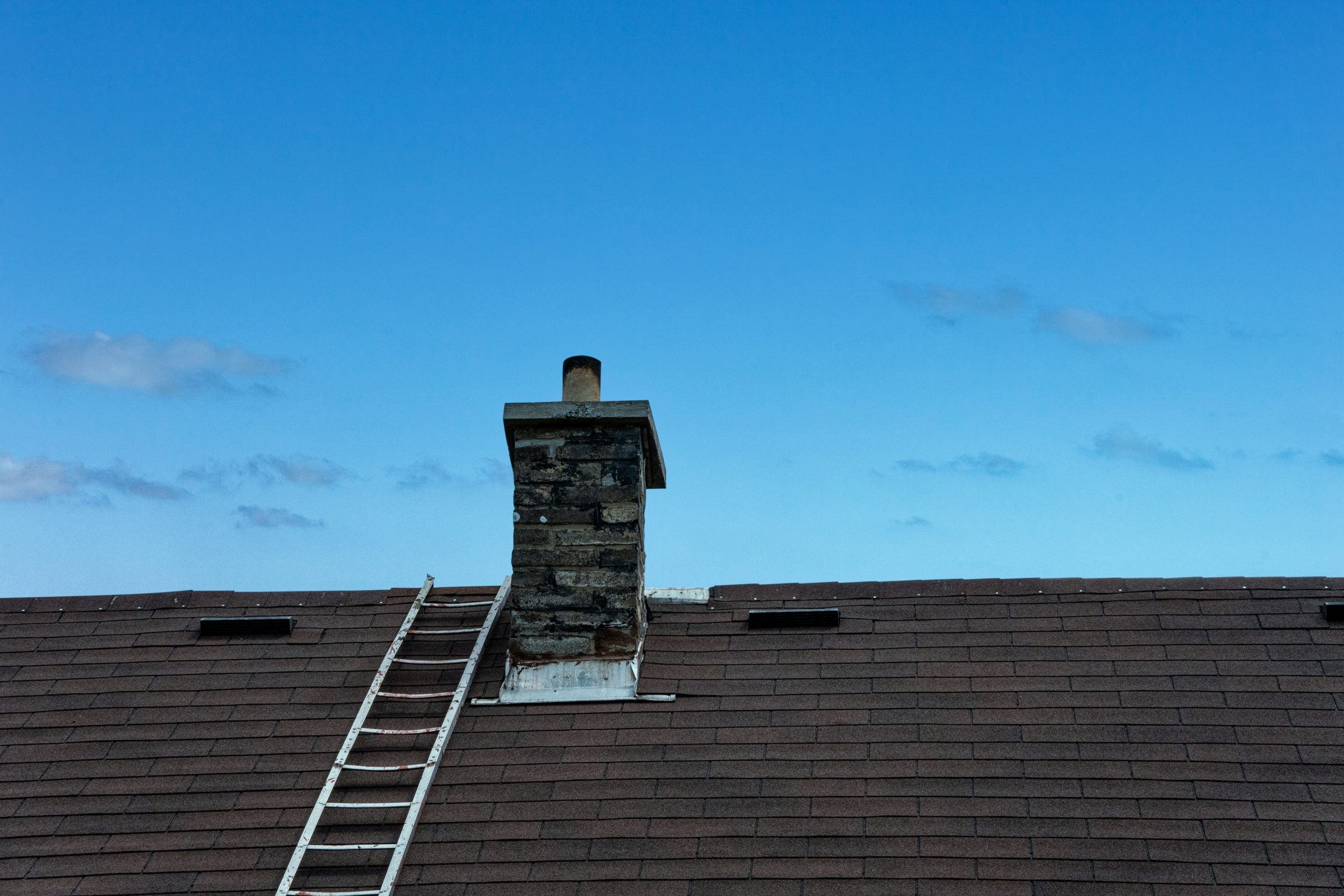
Once you’re under contract on a Maryland home, the inspection is usually the next big milestone — and one of the few remaining chances to walk away or renegotiate if something’s seriously wrong. Here’s what it actually involves, what it costs, and how it’s different from the paperwork your seller is required to give you.
What a Home Inspection Actually Costs
A standard home inspection in Maryland typically runs $300 to $650, depending on the size and age of the home and the inspector you choose.1 That’s for a general inspection covering the structure, roof, electrical, plumbing, and HVAC systems — common add-ons cost extra:
- Radon testing: roughly $90–$2501
- Termite / wood-destroying insect inspection: roughly $90–$2501
Radon is worth taking seriously in Maryland specifically — it’s a naturally occurring, odorless gas that can seep into homes from the ground, and levels vary significantly by local geology. A radon test is inexpensive relative to the home purchase itself and is one of the most commonly recommended add-ons for Maryland buyers.
What an Inspector Actually Checks
- Structural components — foundation, framing, and visible structural issues.
- Roof and exterior — condition, age indicators, and visible damage or wear.
- Electrical system — panel condition, visible wiring issues, and code-related red flags.
- Plumbing — visible leaks, water pressure, and water heater condition.
- HVAC — whether heating and cooling systems are functioning and how old they are.
- Interior and attic/basement — moisture signs, insulation, ventilation, and general condition.
A standard inspection is visual and non-invasive — inspectors don’t cut into walls or move major appliances, so some issues genuinely can’t be caught this way. That’s part of why Maryland law requires sellers to disclose what they know separately, covered below.
How This Is Different From the Seller’s Disclosure Statement
It’s easy to conflate these two, but they serve different purposes. The home inspection is something you, the buyer, pay for and choose — an independent, hands-on look at the property’s current physical condition. Maryland’s Residential Property Disclosure and Disclaimer Statement, by contrast, is something every seller is legally required to provide, where they report known defects (or state they’re making no representations at all, under the “as is” disclaimer option) — see our full breakdown in how to sell your home in Howard County for what sellers are obligated to disclose.
In short: the disclosure statement tells you what the seller says they know. The inspection tells you what a professional can actually observe. Smart buyers treat them as two separate, complementary sources of information — not one covering for the other.
What Happens If the Inspection Finds Something?
Depending on how your contract is written, finding a problem during inspection generally gives you options: ask the seller to make repairs, negotiate a price reduction or credit, or in some cases walk away from the deal within your inspection contingency period. What you can actually do depends on the specific contingency language in your contract — which is exactly why having an agent who reviews that language with you before you sign matters as much as the inspection itself.
Frequently Asked Questions
How much does a home inspection cost in Maryland?
A standard home inspection typically costs $300 to $650, with radon testing and termite/wood-destroying insect inspections each adding roughly $90–$250 if you choose them.
Is radon testing necessary in Maryland?
It’s not legally required, but it’s commonly recommended given how much radon levels can vary by local geology in Maryland. Many buyers choose to add it to their inspection.
Is a home inspection the same as the seller’s disclosure statement?
No. The inspection is a buyer-paid, independent professional assessment of the home’s current condition. The disclosure statement is a separate, legally required document where the seller reports what they know (or states they’re making no representations, under the disclaimer option).
Can I back out of a purchase if the inspection finds problems?
It depends on your contract’s inspection contingency terms — some allow you to request repairs or a credit, renegotiate, or walk away within a specified window. Review this with your agent before signing so you know your actual options.
Getting ready to go under contract in Howard County or central Maryland? Schedule a consultation with Ryan or Rebeca — we’ll walk you through what to expect at every stage, inspection included.
Source:
1. iBuyer.com, Maryland Home Inspection Cost — accessed October 2026